The Free Town of Rust and Furmint
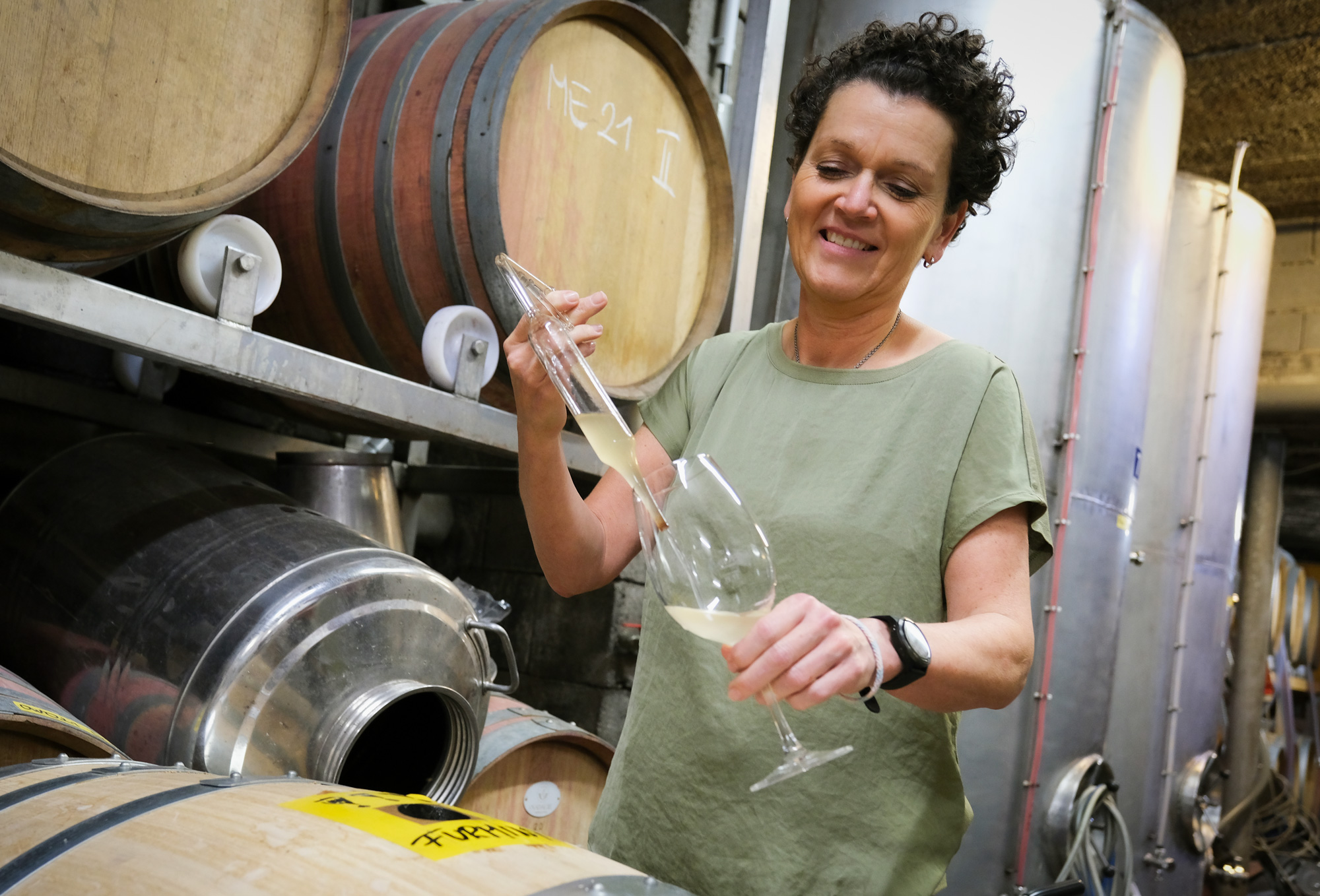
Our current vintages: Furmint and Ried Geyerumriss Furmint
In particular, this unique development has been shaped by a famous, time-honoured and incomparable grape variety – and has been for at least 600 years: Furmint (Šipon).
Until the phylloxera disaster in the early 1890s, Furmint was regarded as the undisputed main variety of the Rust hills. The reasons for this? On the one hand, this noble grape variety has always been capable of producing wines of the highest quality and the finest classification, which also possess considerable ageing potential. On the other hand, Furmint from all three classic regions (Tokaj, Jeruzalem and Rust) holds a firm place in international wine literature.
Everyone involved in growing Furmint knows that it is a demanding variety. Only well-drained slopes in relatively sheltered locations – ideally on the weathered soils of the slate-based ‘Ruster Schotter’ – yield the best possible results from this historic speciality.
When I see a lake, I no longer need the sea…
On the nature of the Furmint grape variety, which is rare in Austria
The old-timers of Rust used to say: ‘The Furmint must see the lake, but not feel it!’ Those who still draw their information mainly from their own observations or those handed down through the generations (and do not have to sift through a glut of electronic information clutter) can arrive at such wise conclusions. Indeed, the master observers of yesteryear had a good understanding of how the Hotter works. The large-terrace topography of the Ruster Weinbau-Hotter, formed over the centuries, creates (in the literal sense) unique conditions for viticulture.
Quartz, flint and slate dominate the soils of the southern half of the Hotter. It was divided throughout into five terraced levels, demarcated by dry stone walls. Levels three and four (counting from the bottom) were considered ideal in terms of microclimate, as further up it was too dry and too windy. The vineyards on levels one and two, closer to the lake, were by contrast mostly damp, too fertile and, on top of that, heavily exposed to bird damage.
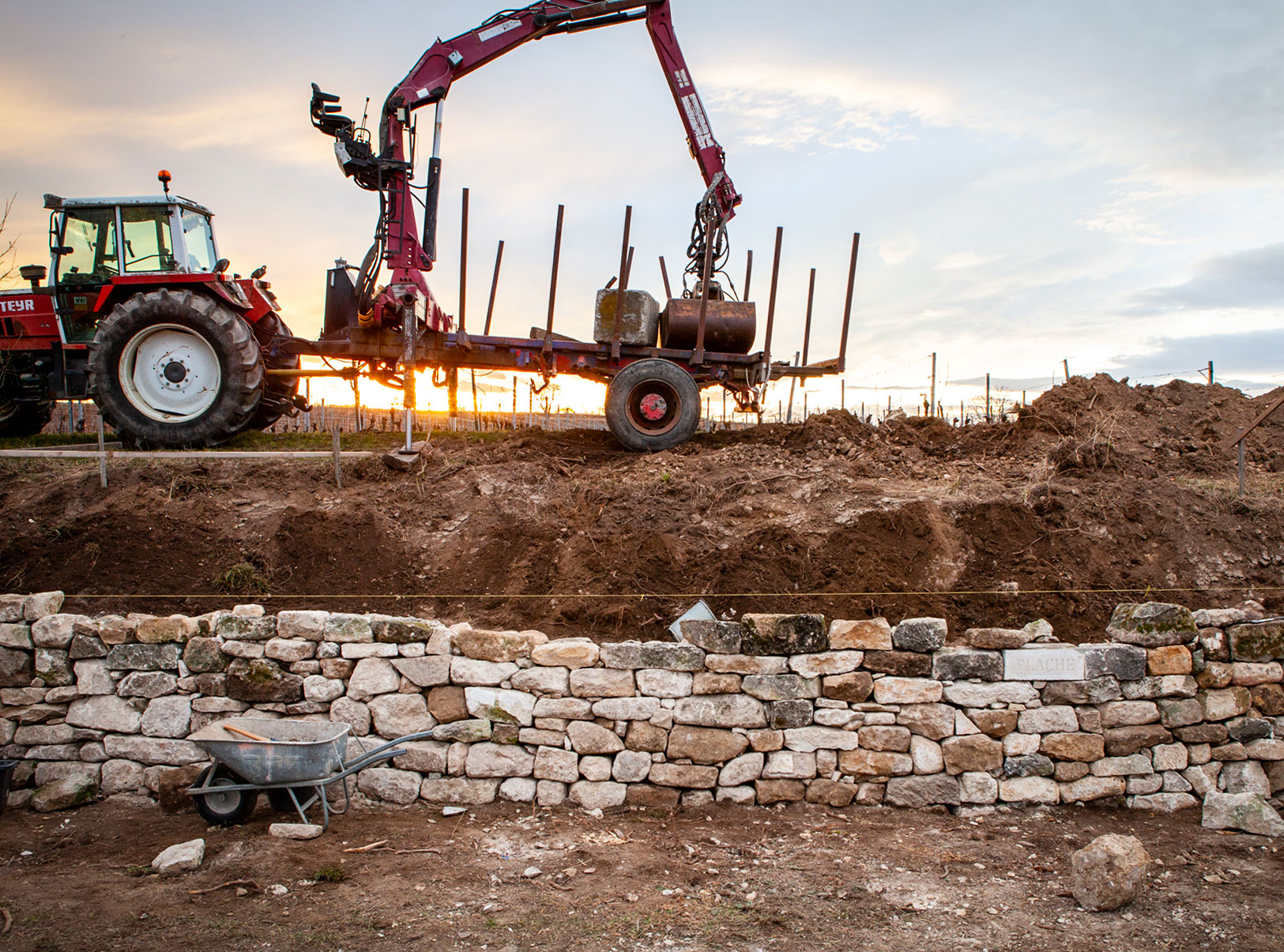
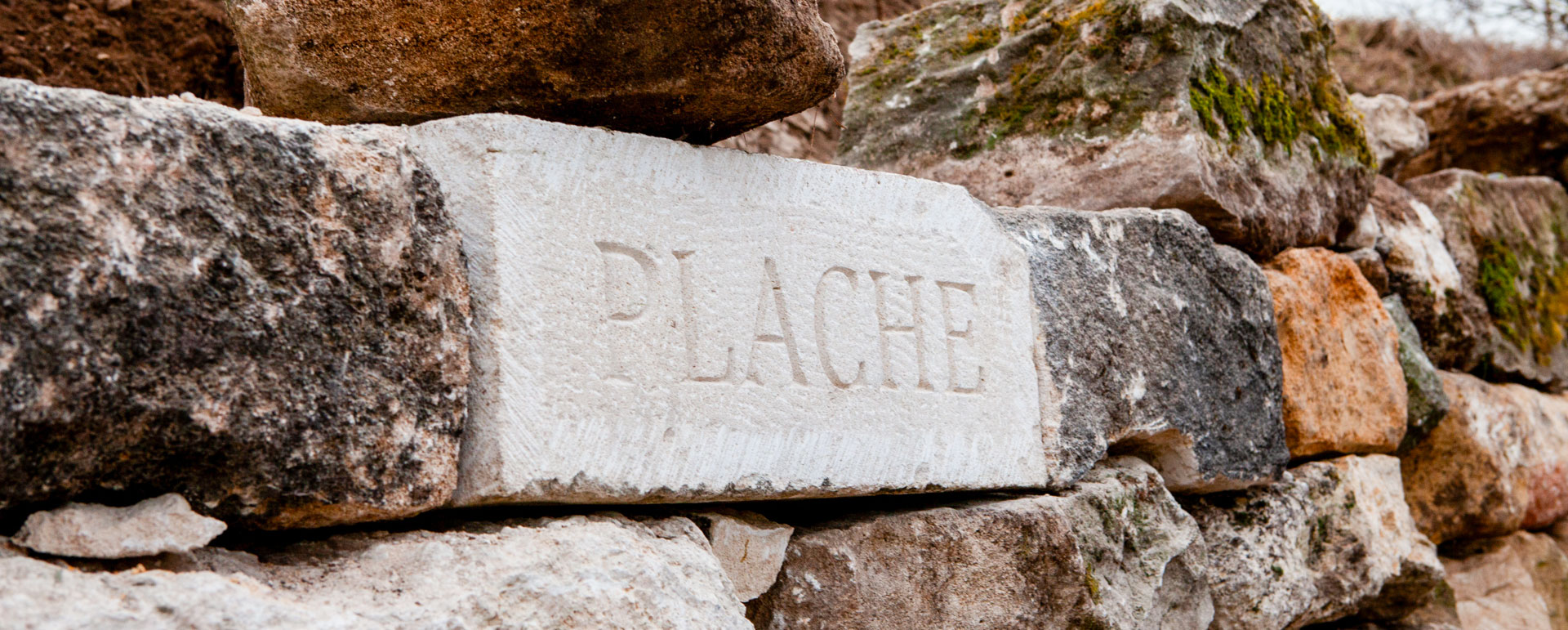
For the most part, these walls – which are also a delight to behold – have not existed since around 1944. Times change, but the eventful history of Furmint in Rust, and indeed throughout Austria, has been unfolding for quite some time. We would like to recount it here. And the first steps towards rebuilding the dry-stone walls were taken in 2024!
The History of Furmint
Since the 15th century, Furmint, together with its ‘partner variety’ Gelber Muskateller, has shaped the winemaking style of Tokaj, Jeruzalem and Rust. This combination has always promised richness, character and distinctiveness – provided the harvest is timed precisely.
From 1890 to 1893, phylloxera swept through the eastern part of what is now Austria. The region’s wine-growing estates used the subsequent reconstruction phase to renew their vine varieties. In the decades that followed, the so-called ‘Lenz Moser’ training system was introduced. This saw the traditional stake training system replaced by wire-frame training.
This change proved detrimental to the cultivation of Furmint. This is because the large-berried, juicy Furmint produced a ‘regular’ (i.e. ‘fairly good’) yield even with just two or three pruned spurs on a bush-trained vine. This earned the variety the colloquial nickname ‘Der Zapferte’, which was particularly common in and around Rust and Ödenburg (Sopron).
Under the new training system (with long fruit canes), the high-yielding Furmint degenerated into a mass-producer. The result: thin wines! Yet it was precisely this style that was undesirable before, during and after the World Wars. For in hard times, people long for something opulent.
And so the once much-praised Furmint became a niche variety. In the early 1980s, it was on the verge of extinction. Austrian variety statistics at the time recorded a mere two hectares. It is almost a miracle that it nevertheless made it into the ‘Regulation on Quality Grape Varieties’ of the then ‘new’ Wine Act of 1965.
The renaissance dates back to 1990
After decades of near-total absence, the renaissance of this Rust classic began.
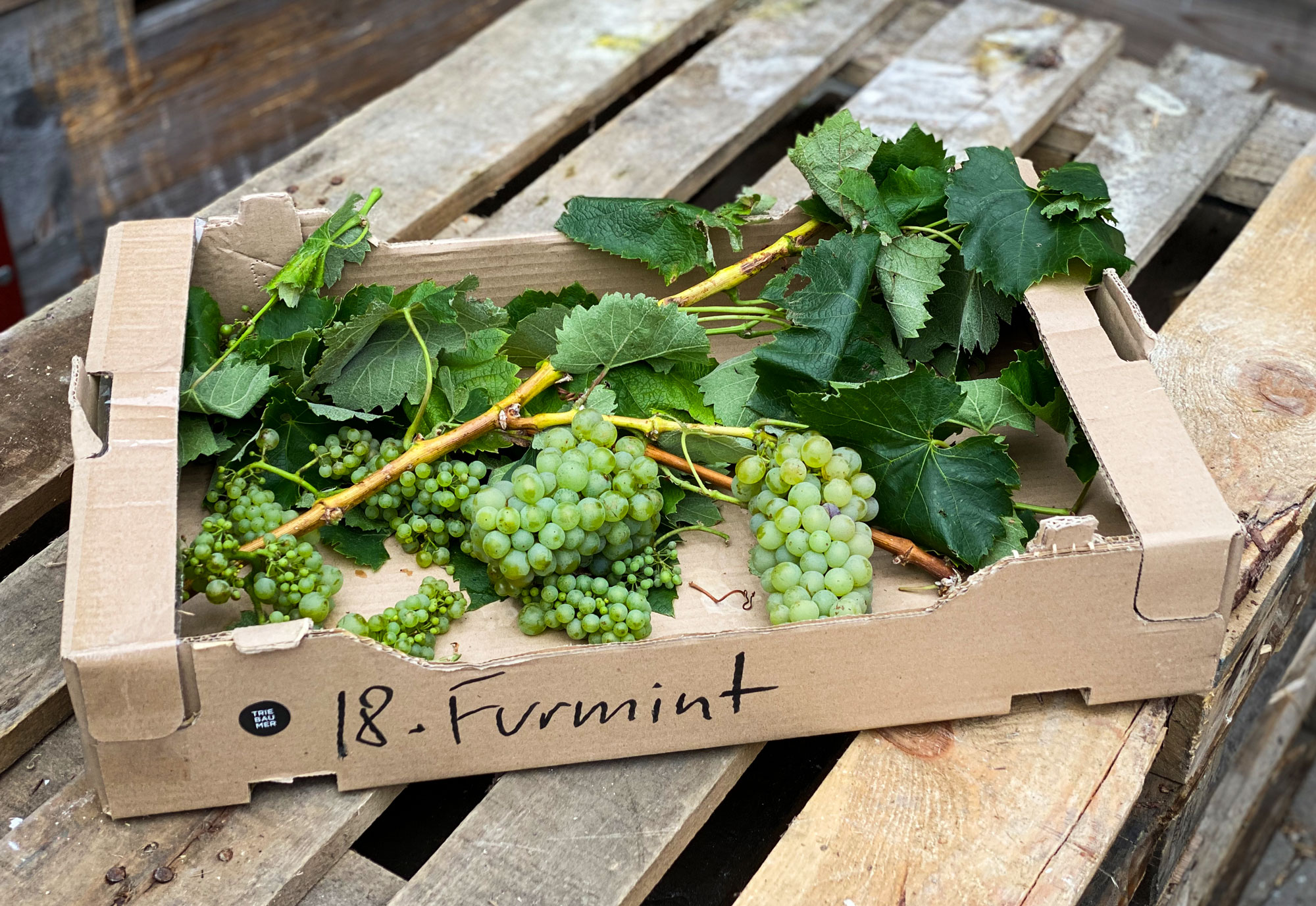
In Austria, Furmint was, until recently, grown exclusively in Rust. A good ten Rust-based wineries cultivate around 20 hectares of the variety. The grape variety has large berries, dense bunches and thin skins. Late flowering and late ripening result in a juicy acidity potential. This allows for an optimal balance in the wine, particularly if it has not been fully fermented, meaning some residual sugar remains.
The distinctive, large and coarse leaves of the Furmint are hairy on the underside – fine, but completely so. People even refer to ‘fluffy’ Furmint leaves, which make the variety easily recognisable.
The literature describes the ‘core aromas’ of Furmint as follows: hints of ripe, yellow pears and ripe quinces. Furmint is thus reminiscent of great Chenins from the Loire. Connoisseurs can confirm these impressions.
A German wine magazine described Furmint as the ‘Riesling of the East’. The parallels are unmistakable: indeed, the variety ripens late and possesses great potential for excellent, crisp acidity. Like Riesling, Furmint thrives better in dry locations and requires careful hand-harvesting.
Furmint as a food pairing
Furmint offers a wide range of possibilities when paired with food. It goes well with local specialities from Burgenland’s strudel tradition (cabbage or bean strudel) and with fish from the lake.
A medium-bodied, fruity style of Furmint (i.e. one harvested before botrytis sets in) also pairs well with vegetables and herbs of a rather tangy nature, such as fennel, celery, chervil or kohlrabi.