Making of: White Wines
This is the first part of our series “making of” which illuminates in detail the wine production in the Triebaumer estate.
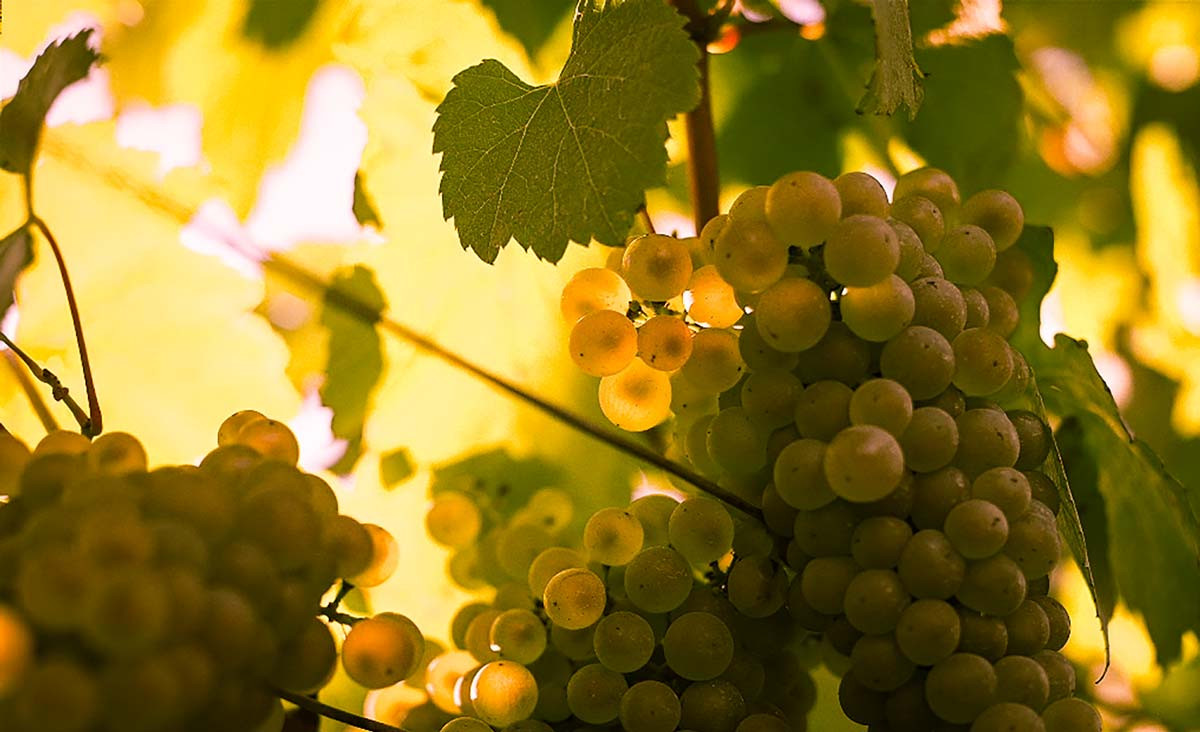
We begin with our white wines and, in the following posts, work our way through the classic reds and the reserve wines, all the way to the famous Ruster Ausbruch.
Our whites, along with the rosé made from Blaufränkisch Reserve, reflect our personal preferences. Fruit-driven and defined by juiciness and character — that is the philosophy here. A moderate alcohol level and a vibrant, incisive acidity are essential to us. Exactly what fully ripe, but not overripe, grapes naturally bring to the table.
To dispel an old cliché: here in Burgenland, we are perfectly capable of achieving very high levels of acidity through an early harvest. However, this often comes at the expense of the wines’ extract, substance and longevity. So our rule is simple: every extreme should be avoided.
We place great value on aromatic expression and on a close connection to origin and nature. That is why cellar intervention is kept to an absolute minimum. To emphasize the fruit character, fermentation and maturation of our white wines take place exclusively in stainless steel tanks, with one exception.
Depending on the vintage, grape health and outside temperature, the white-wine must sometimes remains in the press overnight to allow for further extraction. At other times, fermentation is allowed to start spontaneously. Dogma has no place here.
Fermentation temperatures are kept at a moderate level below 20 °C, and the wines are given sufficient time to clarify naturally and mature on their fine lees. The sole exception is our Furmint Geyerumriss, for which around one third new oak from a cooperage in the Loire region is used. This decision was the result of extensive tastings and consultations, which ultimately convinced us that, in this case, creaminess should take precedence. The consistently high ratings seem to prove us right.
In general, our white grape varieties grow on slate and weathered-slate soils. This is particularly advantageous in hot vintages, as our wines still say “lemon” on the finish — even after the hottest summer — retaining a fundamental sense of freshness and piquancy.