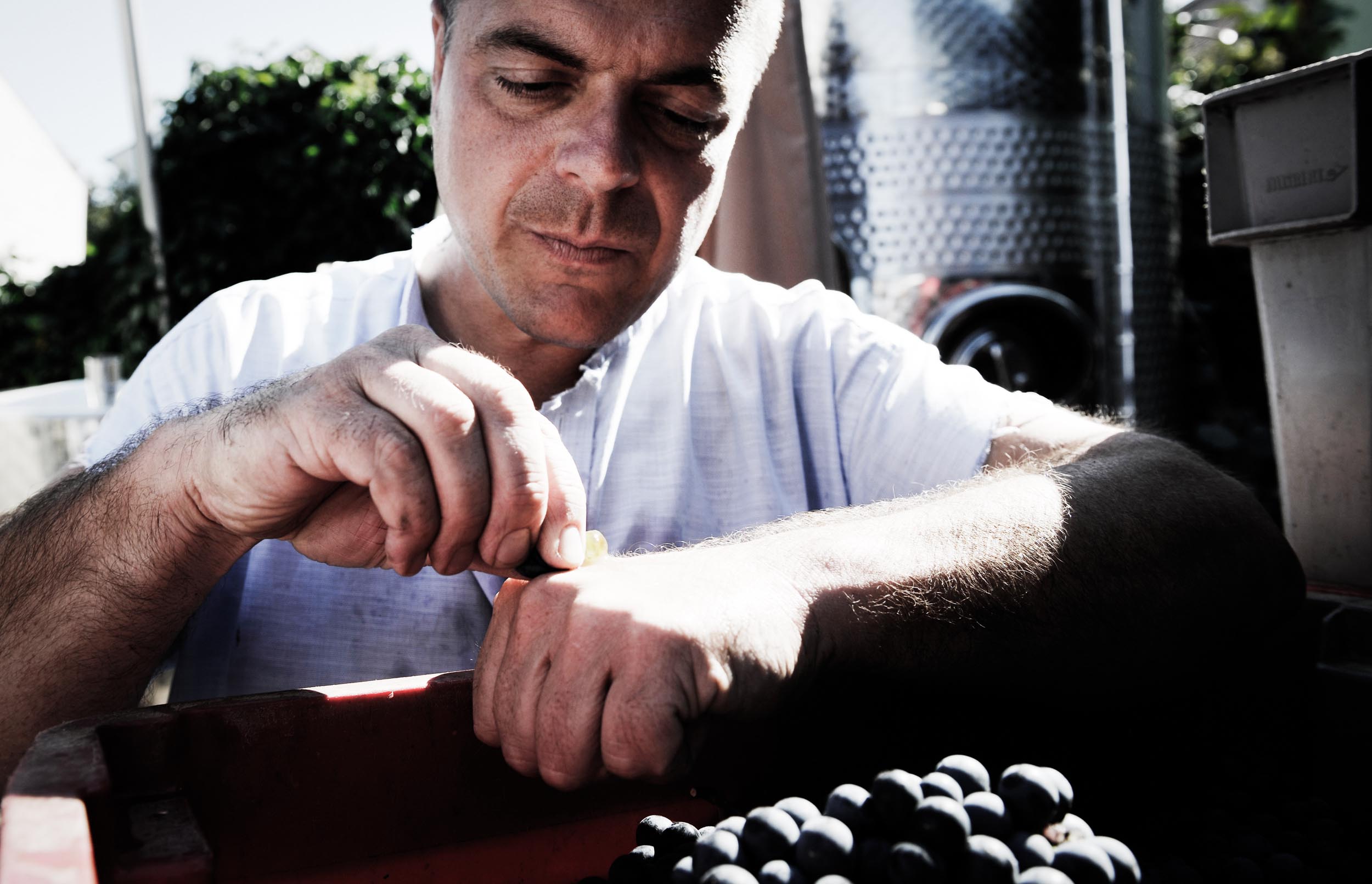
We say …
… Austrian wine should be defined by fruitiness.
This maxim and the challenges the Pannonian climate presents to vinification are reflected in our wines.
… Austrian wine should be defined by fruitiness.
This maxim and the challenges the Pannonian climate presents to vinification are reflected in our wines.
The Triebaumer family have been citizens of Rust since 1691 — wine and viticulture being a long standing tradition for many generations. This tradition still matters to us — but rather as a valuable base for innovation than conserving the past.
This love of tradition laced with the open-mindedness we bring from our former careers helps us make the most of our unique terroir and produce well structured and distinctive wines that are unmistakably of Burgenland origin.
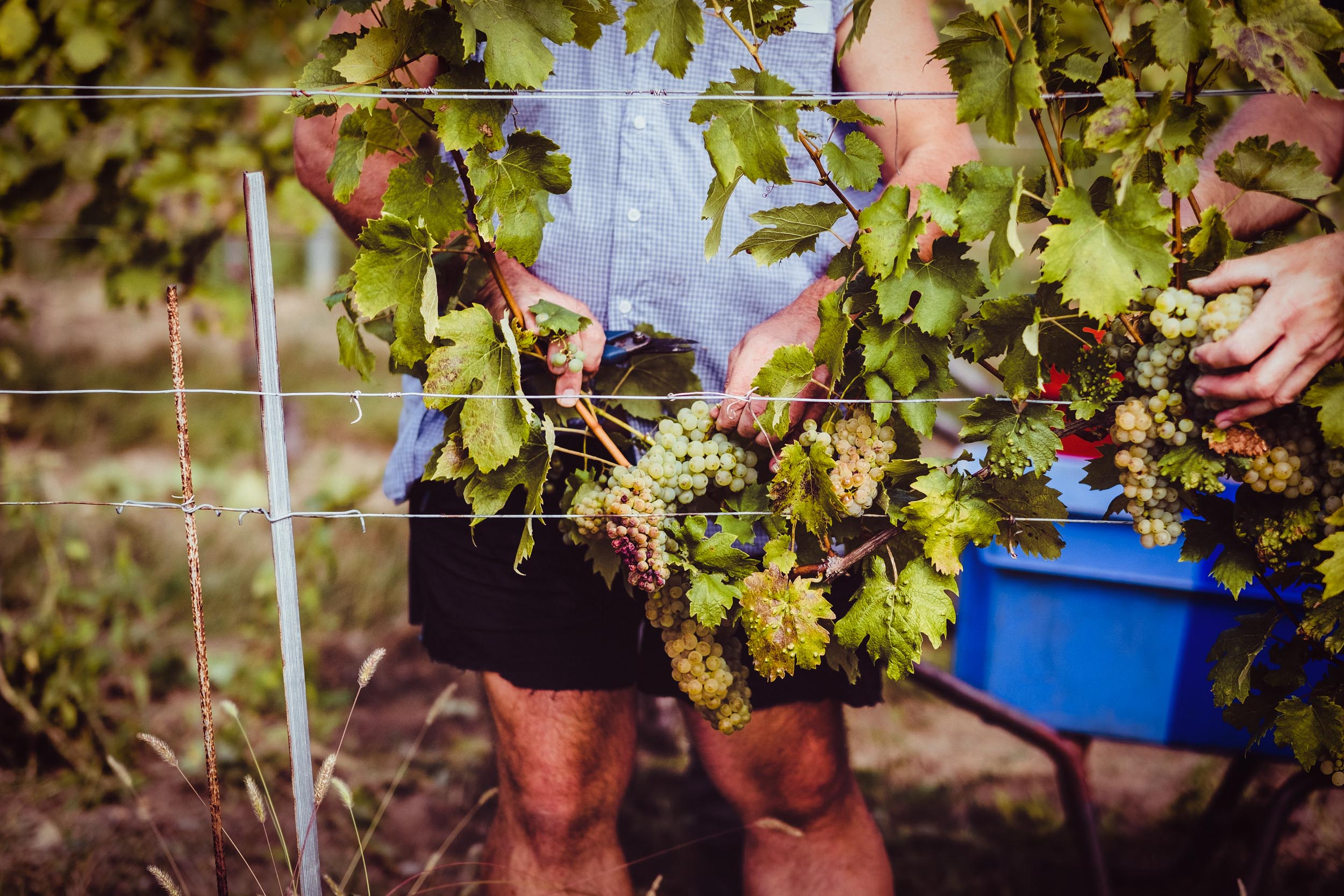
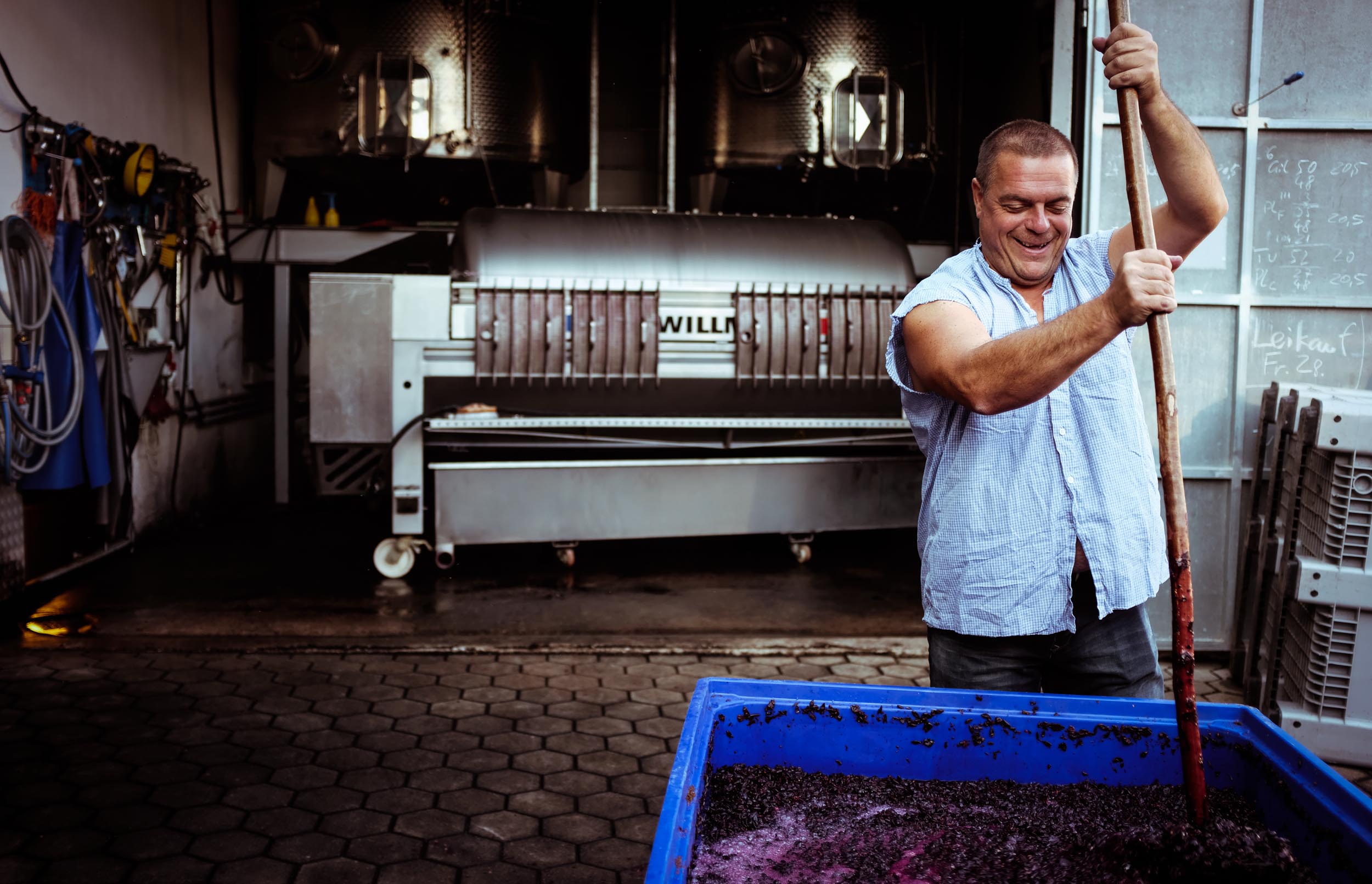
We don’t make wines for everybody, but rather for those valuing honest, solid and regional farming. We communicate openly and clearly. We can explain everything we do and what our wines have to offer.
We currently farm 60 acres of prime vineyards in Rust. Lovers of our wines and the market get a say in where we’re off to next.
Read more about style and vinification in the blog category ”wine“